Main Research Question
In What Ways Was the Russian Revolution Similar to and Different From the French Revolution, and to What Extent Did the Russian Revolution Achieve Its Political, Social, and Economic Goals?
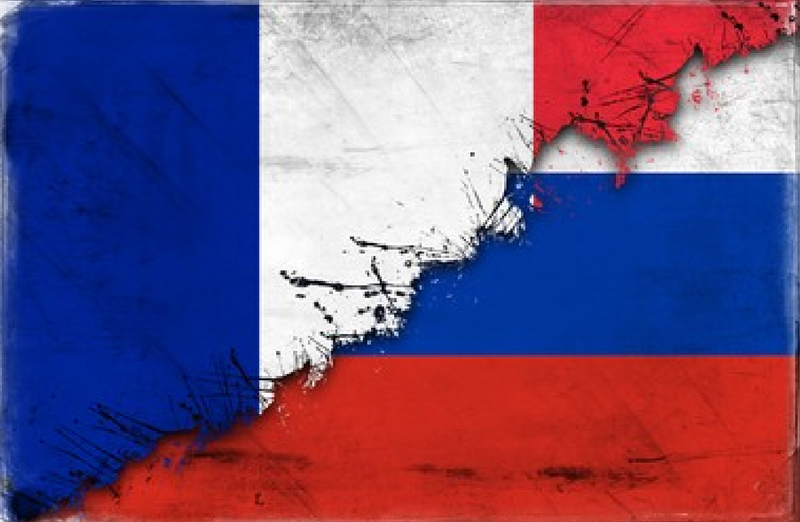
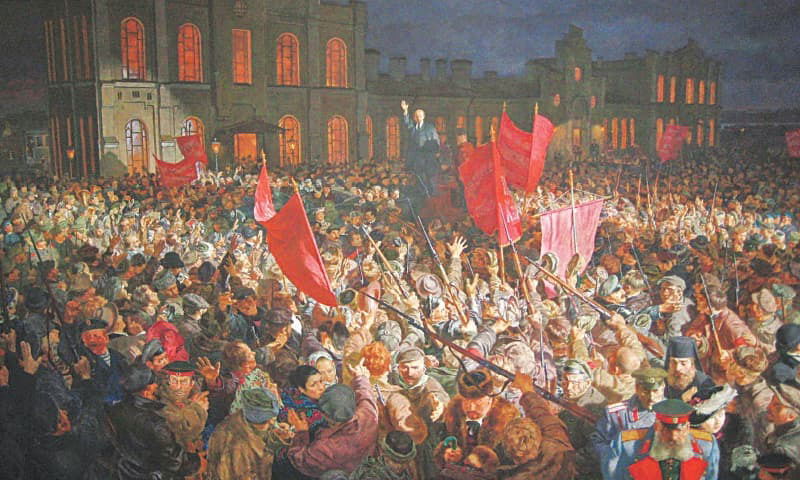
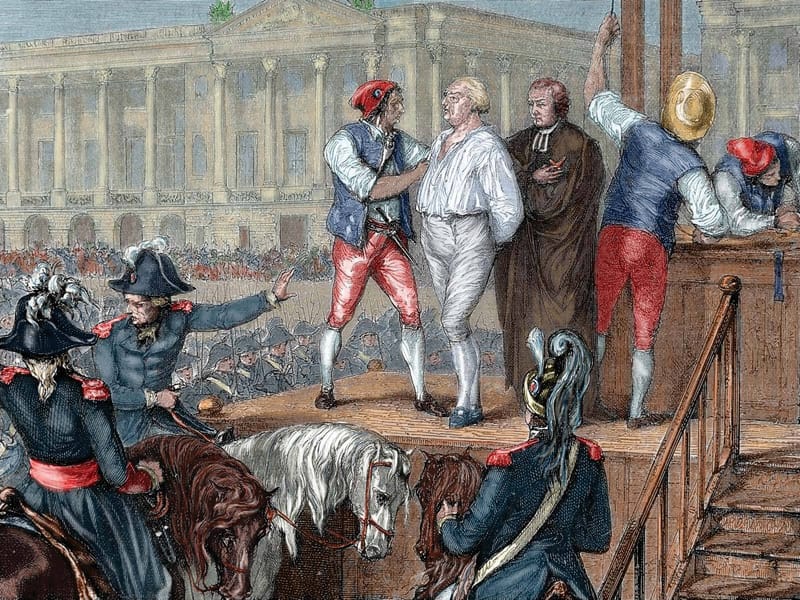
The Russian Revolution, a periodic uproar of economic and social mutiny that occurred in the antecedent Russian Empire and initiated during the First World War, facilitated the journey of the ascent of communism and socialism as an influential political belief framework across the world. It set the stage for the rise of the Soviet Union as a dominant world power that would later directly encounter the United States amidst the Cold War. When compared, the French Revolution of 1787 to 1799 was a period of significant social commotion that sought to change the relationship between the rulers, those they administered, and to reevaluate the concept of political power. Regardless of the fact that the French and Russian revolutions transpired over a century apart, the two were influential, momentous events with striking similarities: sharing their incompetent leadership and poor economy failings (with varying motives), primarily affecting those who wished for justice and equality. During the French Revolution, the Third Estate obtained minimal measure of power, floundering the impossibility to acquire high political office as they were subject to the potencies of privilege that the nobility and clergy exercised. Notwithstanding the Third Estate’s expansive size and economic significance, the Clergy lived luxuriously and possessed virtually all land; hence, nothing to their names, the lowly beggars and laborers were susceptible to preferential taxation and were politically discounted by the social system of the Kingdom of France. In close parallel, while the First World War hindered a significant economic impact on the governmental collapse as a cause of the Russian Revolution, in which the assembled "State Duma of the Russian Empire" limited Czar Nicholas II's power (yet still retaining his hierarchy in a set of his own law; issuing the "Fundamental Laws"), citizens began to recognize that the allocated autocracy government was harming the political, economic, and cultural will of the people of Russia. The authorities dreaded the weakening of the foundations of autocracy - duly, the reforms were not completed, Bureaucratic centralism was preserved, the agrarian question was not resolved, the constitution was not adopted. The continuance of the Russian Revolution was unavoidable as long as Czar Nicholas II remained in power; hence in protest to his ineffectiveness in resolving the Russian Empire's economic and social problems, Czar Nicholas II was forced to abdicate. The social disparity in France due to the Estates-System, the immense taxation rate inferred on the lowly, the ideas set forth by namely Enlightenment philosophers, and the impactful monetary crisis impeded the strict end to the French monarchy and feudalism; taking political power from the Catholic church. The foundations of economic policies, debilitated administration, and exploitative political and social apparatuses greatly contributed to the French Revolution, in which the authoritarian monarchy, bankruptcy, and inefficient royal expenditures were among the legislative causes. In both revolutions, the middle class of France, commonly known as the bourgeoisie and barely existing in Russia until the introduction of socialism, was practically overlooked by King Louis XVI and Czar Nicholas of Russia; the refusal of acknowledgement inevitably resulted in an immense loss of life in the ruling class. King Louis XVI and his queen Marie Antoinette were together beheaded by guillotine and Tsar Nicholas II and the entire Romanov family were shot to death. In all, numerous lesser nobles and pro-government generals were killed in purges during the French and Russian Revolutions. In the two nations, the dramatical struggle regarding produce proceeded with an unfortunate string of terrible harvests, in turn forcing food to take a steep rise up in price. The French were facing a financial crisis with billions in debt to pay due to the involvement in the American Revolutionary War and the excessive expenditure of Louis XVI and his queen, Marie-Antoinette, while Russians were conflicted with bankruptcy due to the money used to pay for World War I expenses. Further, the French revolution was deeply rooted in the ideals of Enlightenment (Declaration of the Rights of Man and Citizen) and involved the overthrow of the causes of social class hierarchy and absolutism monarchy; aiming to abolish their previous totalitarian regime to have all opportunity to prosper and become rich in a capitalist 'free' state. The Russian revolution, on the other hand, valued communist principles and occurred due to the collapse of the government from above (Lenin); longing for the abolition of their prior totalitarian rule in order to obtain the essentials of life and live equally without the need for material acquisition. Though both revolutions had similar causes, different internal factors eventually led to varying results. Conversely, just as the Bolsheviks fought the Anti-Bolsheviks, the conflict between radical Jacobins and liberal Girondins, and thus the crucial Reign of Terror, played a key part in engendering and preserving the revolution. Additionally, the Estates-General staged a mass revolt against the King known as "The Storming of the Bastille," priorly designed in reference to a notion of security and order. Numerous Parisians despised the holding as a symbol of despotism and tyranny. When they would prepare for riot and upheaval, remembrance occurred of the absolute monarch who was inevitably the prime control of their actions. Recalling the plagued troubles of France, the estates quarreling, the inequitable afflictions of the lowly class, the taxation requirements, the rebellion was of due occurrence. The mass political and social distress throughout the Empire alluded to the First Russian Revolution, therefore consisting of worker strikes, peasant unrest, and military mutinies, initially prodded by the Russian defeat in the Russo-Japanese War; instigating society of the need for reform. The complex socioeconomic problem of a large multinational, multiethnic empire engaged in total war with all of Europe, ultimately coupled the development of revolutionary ideas and movements; defining the leading political, social, and economic impacts. The impoverished economy and the inadequate leadership allowed the lower-class to define politicians' responses to national challenges, such that they produced and dictated food supplies, armed and uniformed peasants served as soldiers and, as the majority of Russia's urban residents, they played key roles in uprisings.
The Russian Revolution, a periodic uproar of economic and social mutiny that occurred in the antecedent Russian Empire and initiated during the First World War, facilitated the journey of the ascent of communism and socialism as an influential political belief framework across the world. It set the stage for the rise of the Soviet Union as a dominant world power that would later directly encounter the United States amidst the Cold War. When compared, the French Revolution of 1787 to 1799 was a period of significant social commotion that sought to change the relationship between the rulers, those they administered, and to reevaluate the concept of political power. Regardless of the fact that the French and Russian revolutions transpired over a century apart, the two were influential, momentous events with striking similarities: sharing their incompetent leadership and poor economy failings (with varying motives), primarily affecting those who wished for justice and equality. During the French Revolution, the Third Estate obtained minimal measure of power, floundering the impossibility to acquire high political office as they were subject to the potencies of privilege that the nobility and clergy exercised. Notwithstanding the Third Estate’s expansive size and economic significance, the Clergy lived luxuriously and possessed virtually all land; hence, nothing to their names, the lowly beggars and laborers were susceptible to preferential taxation and were politically discounted by the social system of the Kingdom of France. In close parallel, while the First World War hindered a significant economic impact on the governmental collapse as a cause of the Russian Revolution, in which the assembled "State Duma of the Russian Empire" limited Czar Nicholas II's power (yet still retaining his hierarchy in a set of his own law; issuing the "Fundamental Laws"), citizens began to recognize that the allocated autocracy government was harming the political, economic, and cultural will of the people of Russia. The authorities dreaded the weakening of the foundations of autocracy - duly, the reforms were not completed, Bureaucratic centralism was preserved, the agrarian question was not resolved, the constitution was not adopted. The continuance of the Russian Revolution was unavoidable as long as Czar Nicholas II remained in power; hence in protest to his ineffectiveness in resolving the Russian Empire's economic and social problems, Czar Nicholas II was forced to abdicate. The social disparity in France due to the Estates-System, the immense taxation rate inferred on the lowly, the ideas set forth by namely Enlightenment philosophers, and the impactful monetary crisis impeded the strict end to the French monarchy and feudalism; taking political power from the Catholic church. The foundations of economic policies, debilitated administration, and exploitative political and social apparatuses greatly contributed to the French Revolution, in which the authoritarian monarchy, bankruptcy, and inefficient royal expenditures were among the legislative causes. In both revolutions, the middle class of France, commonly known as the bourgeoisie and barely existing in Russia until the introduction of socialism, was practically overlooked by King Louis XVI and Czar Nicholas of Russia; the refusal of acknowledgement inevitably resulted in an immense loss of life in the ruling class. King Louis XVI and his queen Marie Antoinette were together beheaded by guillotine and Tsar Nicholas II and the entire Romanov family were shot to death. In all, numerous lesser nobles and pro-government generals were killed in purges during the French and Russian Revolutions. In the two nations, the dramatical struggle regarding produce proceeded with an unfortunate string of terrible harvests, in turn forcing food to take a steep rise up in price. The French were facing a financial crisis with billions in debt to pay due to the involvement in the American Revolutionary War and the excessive expenditure of Louis XVI and his queen, Marie-Antoinette, while Russians were conflicted with bankruptcy due to the money used to pay for World War I expenses. Further, the French revolution was deeply rooted in the ideals of Enlightenment (Declaration of the Rights of Man and Citizen) and involved the overthrow of the causes of social class hierarchy and absolutism monarchy; aiming to abolish their previous totalitarian regime to have all opportunity to prosper and become rich in a capitalist 'free' state. The Russian revolution, on the other hand, valued communist principles and occurred due to the collapse of the government from above (Lenin); longing for the abolition of their prior totalitarian rule in order to obtain the essentials of life and live equally without the need for material acquisition. Though both revolutions had similar causes, different internal factors eventually led to varying results. Conversely, just as the Bolsheviks fought the Anti-Bolsheviks, the conflict between radical Jacobins and liberal Girondins, and thus the crucial Reign of Terror, played a key part in engendering and preserving the revolution. Additionally, the Estates-General staged a mass revolt against the King known as "The Storming of the Bastille," priorly designed in reference to a notion of security and order. Numerous Parisians despised the holding as a symbol of despotism and tyranny. When they would prepare for riot and upheaval, remembrance occurred of the absolute monarch who was inevitably the prime control of their actions. Recalling the plagued troubles of France, the estates quarreling, the inequitable afflictions of the lowly class, the taxation requirements, the rebellion was of due occurrence. The mass political and social distress throughout the Empire alluded to the First Russian Revolution, therefore consisting of worker strikes, peasant unrest, and military mutinies, initially prodded by the Russian defeat in the Russo-Japanese War; instigating society of the need for reform. The complex socioeconomic problem of a large multinational, multiethnic empire engaged in total war with all of Europe, ultimately coupled the development of revolutionary ideas and movements; defining the leading political, social, and economic impacts. The impoverished economy and the inadequate leadership allowed the lower-class to define politicians' responses to national challenges, such that they produced and dictated food supplies, armed and uniformed peasants served as soldiers and, as the majority of Russia's urban residents, they played key roles in uprisings.
